


Computer Association of Nepal (CAN) was formed in May 1992 but was formally registered in December 1992 and later registered as Federation of Computer Association Nepal (CAN Federation) in January 2015 with the involvement of professionals, specialists, institutions and related organizations from the Information Communication Technology sector in Nepal. It is an umbrella organization with membership base ranging from ICT Institutions, Associations to Individuals working in this sector. CAN Federation works along with the lines of an autonomous, non-political, non-partisan, non-profit and service-oriented sector of ICT.

The Asia Pacific Internet Governance Academy (APIGA) is a prestigious capacity development workshop conducted by Internet Corporation for Assigned Names and Numbers (ICANN) in partnership with Korea Internet Security Agency (KISA) aimed at nurturing understanding and engagement with critical Internet governance issues, particularly within the Asia Pacific (APAC) region. In continuation of the global APIGA initiative, the APIGA Nepal 2026 will provide a unique opportunity for tertiary undergraduate and graduate students in Nepal to delve into the intricacies of Internet governance, ICANN policies, and the multistakeholder model.
Carrying forward with the larger objective of the APIGA, Asia Pacific Internet Governance Academy (APIGA) Nepal 2026 organized by Federation of Computer Association Nepal (CAN Federation) is a two-day capacity development workshop focused on Internet governance-related topics to be held in Nepal replicating APIGA at the local level. It is a localized version of the larger APIGA initiative aimed at nurturing understanding and engagement with Internet governance issues within the Asia Pacific region. This is a significant event aimed at bringing together stakeholders from the Internet Governance ecosystem to discuss, share knowledge, and build capacity in the realm of Internet Governance. The event is set to host a variety of sessions including keynote speeches, panel discussions, workshops, and a model ICANN conference, providing a comprehensive platform for learning and networking.
Objectives:
- Enhanced Youth Representation in Policy and Advocacy: Foster active involvement and representation of youth in Internet governance policy discussions in broader IG discussions and ICANN remit areas.
- Multistakeholder Analysis: Encourage critical analysis of ICANN policy issues from diverse stakeholder perspectives.
- Policy Engagement: Empower participants to contribute meaningfully to current ICANN policy development processes through public comments and engagement.
Internet Corporation for Assigned Names and Numbers (ICANN)
The Internet Corporation for Assigned Names and Numbers is a global multi-stakeholder group and nonprofit organization headquartered in the United States responsible for coordinating the maintenance and procedures of several databases related to the namespaces and numerical spaces of the Internet, ensuring the Internet’s stable and secure operation. ICANN performs the actual technical maintenance work of the Central Internet Address pools and DNS root zone registries pursuant to the Internet Assigned Numbers Authority (IANA) function contract. Much of its work has concerned the Internet’s global Domain Name System including policy development for internationalization of the DNS, introduction of new generic top-level domains (TLDs), and the operation of root name servers. The numbering facilities ICANN manages include the Internet Protocol address spaces for IPv4 and IPv6, and the assignment of address blocks to regional Internet registries. ICANN also maintains registries of Internet Protocol identifiers.
ICANN’s primary principles of operation have been described as helping preserve the operational stability of the Internet; promoting competition; achieving broad representation of the global Internet community; and developing policies appropriate to its mission through bottom-up, consensus-based processes.
The Multi-Stakeholder Model of the Internet Governance
Internet governance refers to the rules, policies, standards and practices that coordinate and shape global cyberspace. The Internet is a vast network of independently-managed networks, woven together by globally standardized data communication protocols (primarily, Internet Protocol, TCP, UDP, DNS and BGP). The common adoption and use of these protocols unified the world of information and communications like never before. Millions of digital devices and massive amounts of data, software applications, and electronic services became compatible and interoperable. The Internet created a new environment, a complex and dynamic “cyberspace.”
While Internet connectivity generated innovative new services, capabilities and unprecedented forms of sharing and cooperation, it also created new forms of crime, abuse, surveillance and social conflict. Internet governance is the process whereby cyberspace participants resolve conflicts over these problems and develop a workable order.
Internet governance is the development and application of shared principles, norms, rules, decision-making procedures and programs that shape the evolution and use of the Internet.
About APIGA Nepal
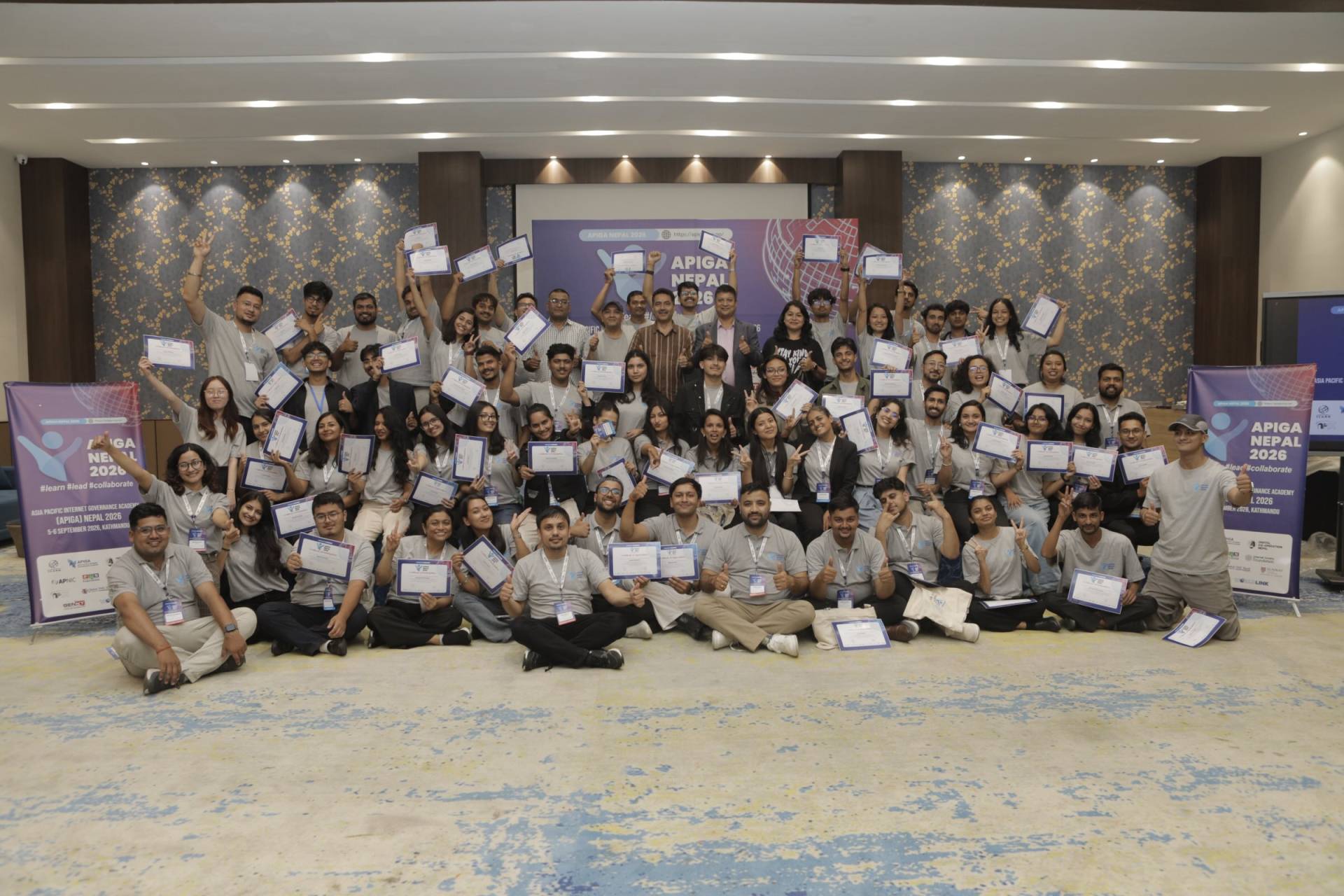
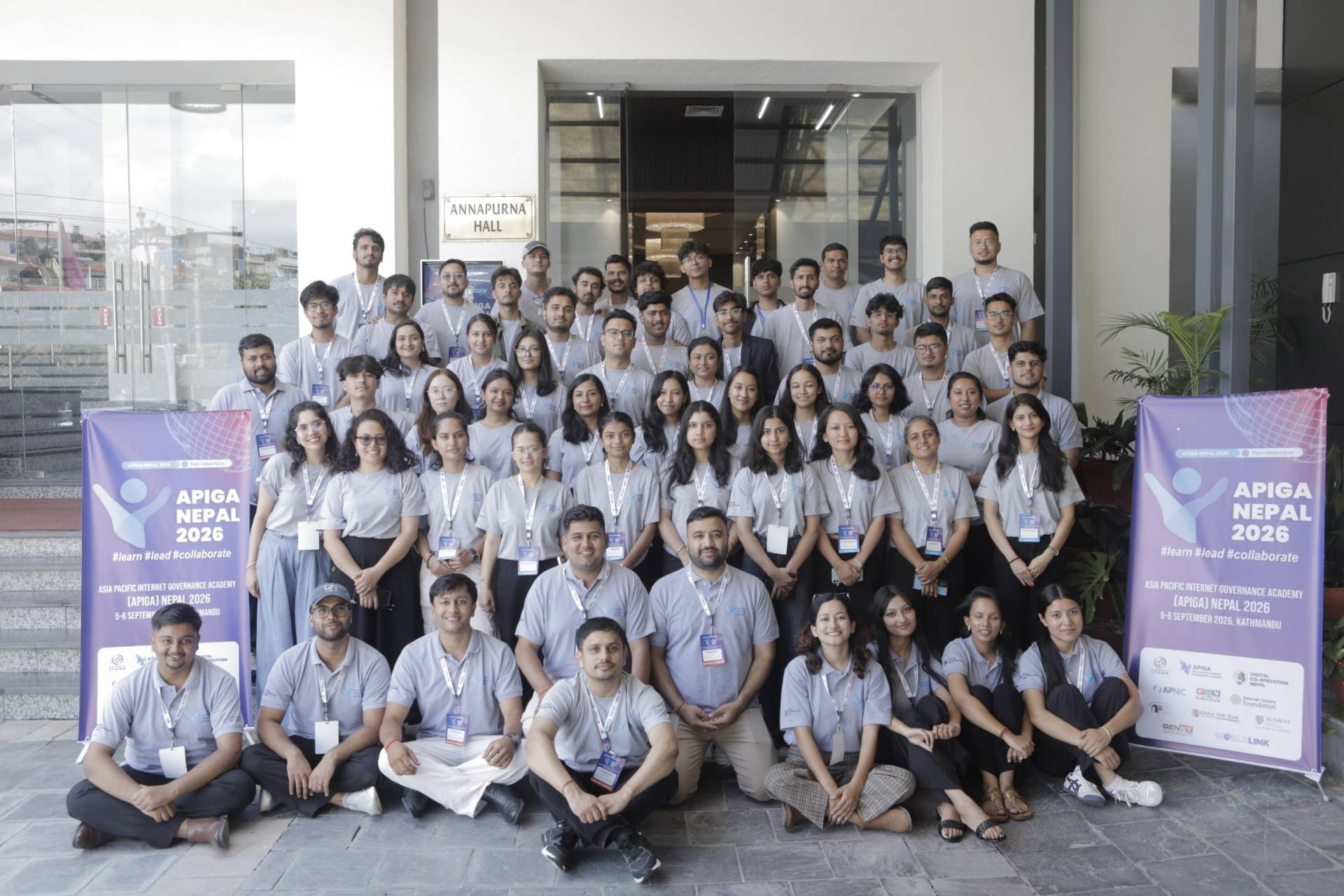
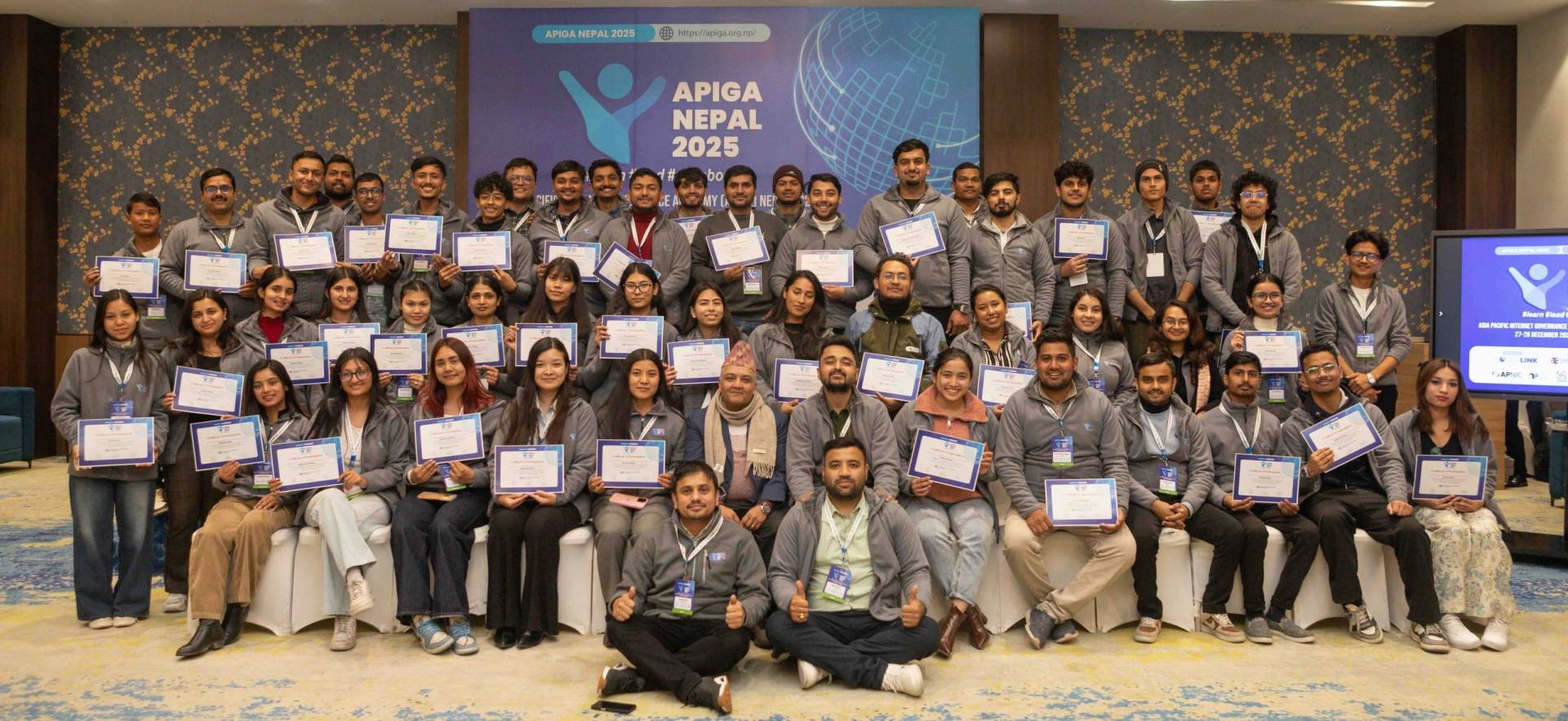
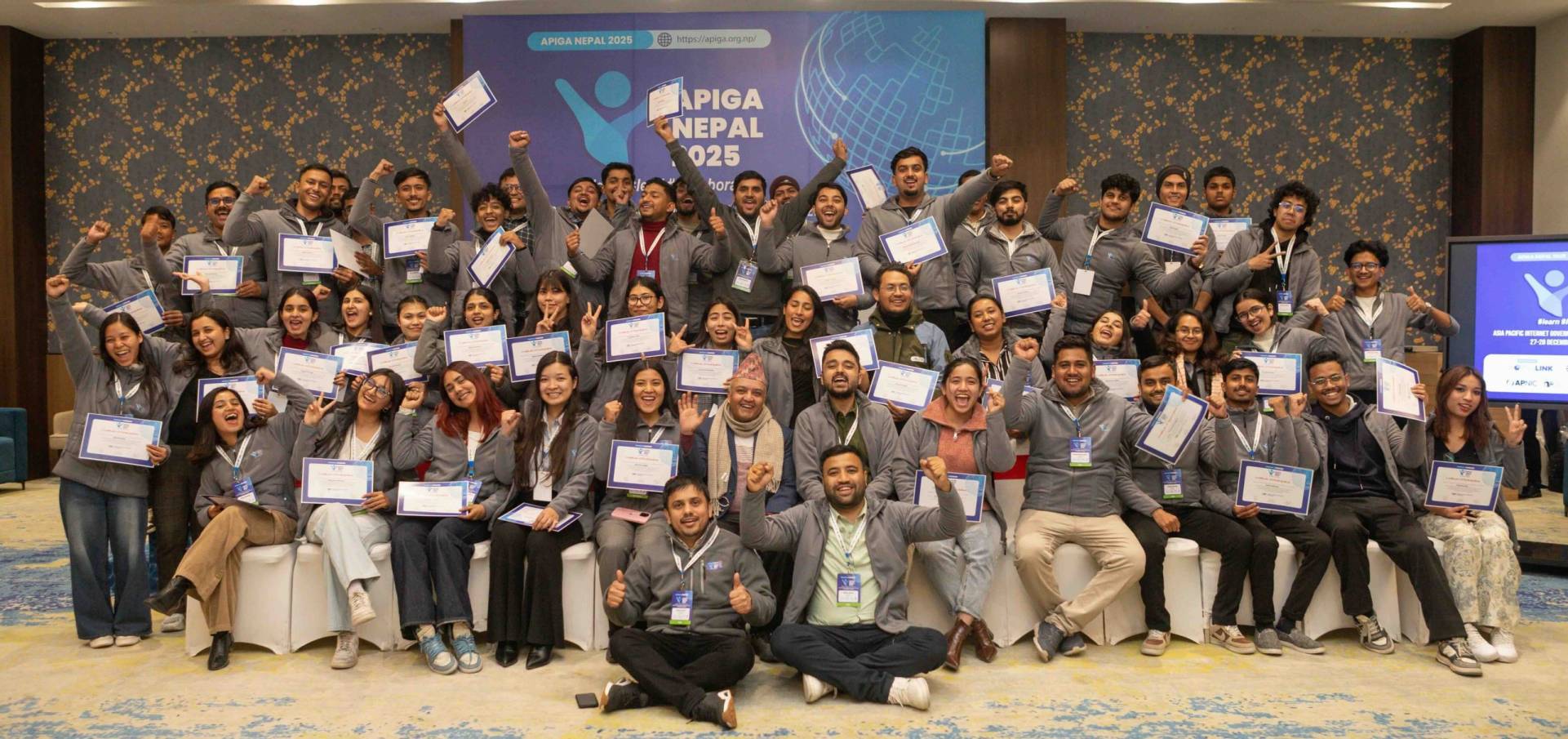
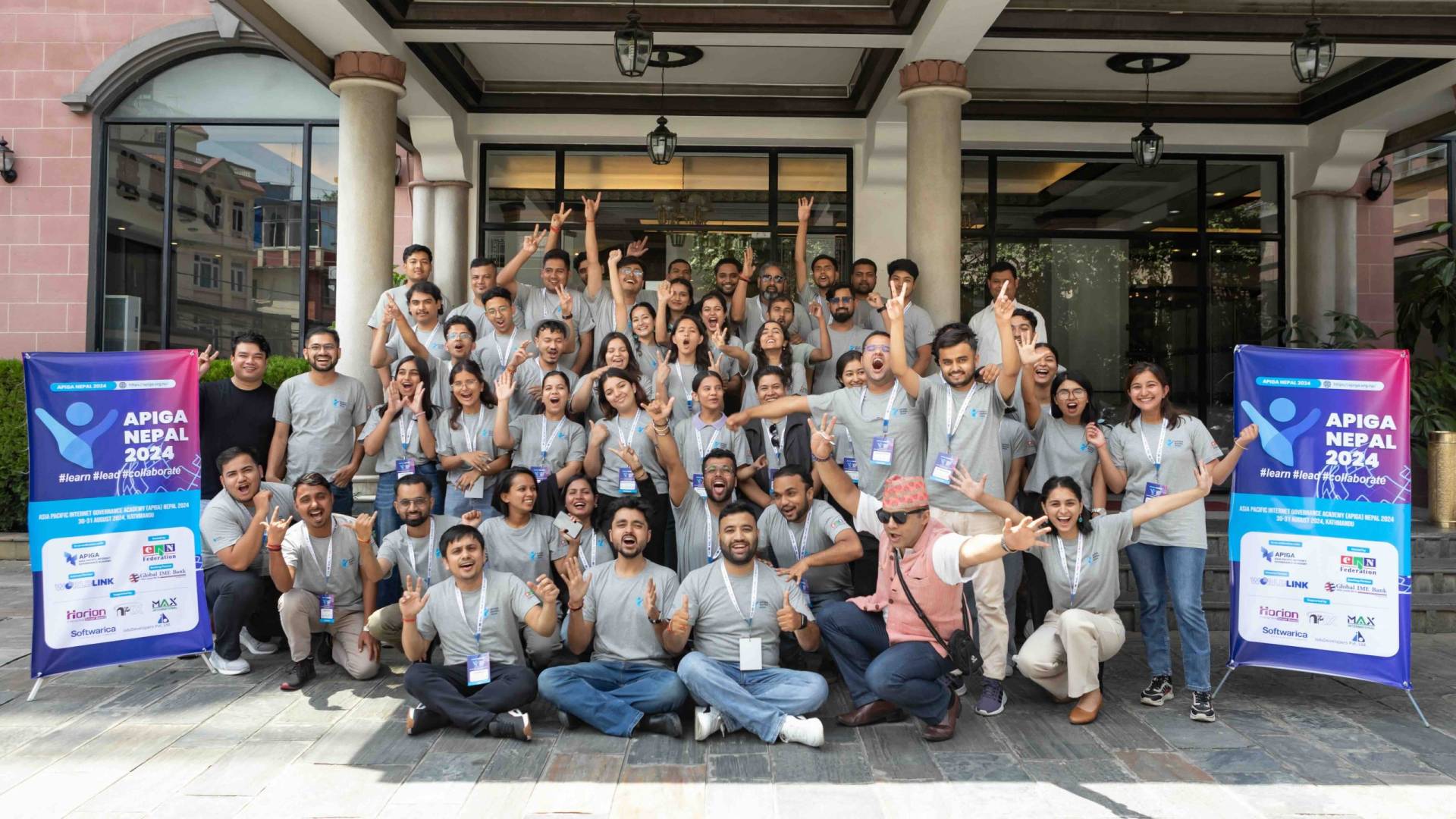
APIGA Nepal, organized by CAN Federation, is a pivotal two-day workshop designed to immerse tertiary undergraduate and graduate students in Nepal into the dynamics of Internet governance. It mirrors the broader Asia Pacific Internet Governance Academy (APIGA), focusing on ICANN policies and the multistakeholder model. The event features keynote speeches, panel discussions, workshops, and a model ICANN conference, providing a robust platform for learning and networking among participants and industry leaders. By hosting APIGA Nepal, CAN Federation aims to cultivate a deeper understanding of Internet governance issues and foster engagement within the Asia Pacific region. This initiative not only educates future leaders but also strengthens Nepal’s role in shaping global Internet policies through informed participation and collaboration.
What to Expect?
Participants will embark on dynamic learning journey comprising seminars, roundtable discussions, simulation games, and role-playing activities. Expert speakers from local, regional and global organizations will cover a spectrum of topics, including Internet governance frameworks, ICANN’s role, DNS management, and the future of the Internet, AI and futuristic technology. The program will culminate in a ICANN Model Conference, providing participants with hands-on experience in policy deliberations.
Preparation:
To prepare participants for the academy, online courses developed by the Internet Society (ISOC) and ICANN Learn will be made available for approximately two weeks preceding the workshop. These courses will serve as foundational learning modules, ensuring participants are equipped with essential knowledge and concepts before attending the Local APIGA.
Who Can Participate?
The workshop is open to undergraduate and graduate students aged 18 to 35 from universities and tertiary educational institutions, ISP, Banks, corporate offices. While a technical background is beneficial, it is not a prerequisite. Participants should possess a keen interest in understanding Internet governance issues and shaping the future of the Internet.
Format:
The Model APIGA consists of the below elements to facilitate the understanding of the participants on the selected ICANN current policy issue.
- Model ICANN Conference
- Multi-stakeholder Role-Play
- Roundtable Discussions
- Guest Speakers
- Interactive Modules
Time Allocation:
The workshop will be conducted over two full days, from 09:00 am to 5:45 pm each day (8.45 Hours Each Day). The schedule includes engaging sessions on stakeholder roundtable discussions, DNS and IDNs, simulation games, and collaborative decision-making exercises.
Application Process:
Interested individuals can register directly via link as well as invitation will be sent directly to appoint/recommend the students/employee.
For ICANN Model Conference
Each participant will be assigned a specific stakeholder role within the ICANN community, namely Government Advisory Group (GAC), Generic Name Supporting Organization (GNSO) and At-Large Advisory Committee (ALAC). After some simulation games, there will be 2 roundtables on Day 2 where participants are expected to act out their roles and speak for their stakeholders’ interests. The roundtable discussion is simulation of an ICANN working group meeting where different stakeholders come together to drive towards a consensus regarding specific topics
Continued Engagement:
The participant will be able to network with Internet Governance professional as well as exposure to regional and global platform for engagements in different format. Participants will be invited to ICANN meeting.
Top one (1) performing student from APIGA Nepal 2026 will be selected to participate in fully funded opportunity to participate in APIGA 2027 which will be held in Korea.
Conclusion:
The Asia Pacific Internet Governance Academy (APIGA) Nepal 2026 represents a pivotal opportunity for participants to immerse themselves in the multifaceted realm of Internet governance. Over the course of two intensive days, attendees will engage in informative seminars, dynamic roundtable discussions, and hands-on simulation exercises, all aimed at deepening their understanding of critical issues shaping the Internet landscape. Through collaboration with expert speakers from local, regional, and global organizations, participants will gain invaluable insights into ICANN policies, DNS management, and the multistakeholder model.
Moreover, the program’s emphasis on youth representation underscores the importance of nurturing a new generation of Internet governance leaders who can actively contribute to policy discussions and decision-making processes. By empowering participants to analyze policy issues from diverse stakeholder perspectives and actively engage in current ICANN policy development processes, the APIGA Nepal 2026 seeks to instill a sense of ownership and responsibility in shaping the future of the Internet. As participants return to their respective academic and professional spheres, they carry with them not only enhanced knowledge and skills but also a renewed sense of purpose and commitment to advancing Internet governance principles in Nepal and beyond.